VexxaAI — Enterprise CRM
An enterprise business platform that puts the whole customer cycle in one system: lead to estimate to contract to project to invoice to payment — with HR, accounting, a helpdesk and call logging layered on top. 221 tables and 21 add-on modules.
Overview
End‑to‑end CRM: sales pipeline and automation, quotations, invoicing and accounting, helpdesk ticketing, project and task management, HR with payroll and attendance, and a client portal.
01The challenge
Mid-sized companies buy one tool per function: a CRM for sales, something else for invoices, another for projects, a helpdesk, an attendance app. The same customer then exists in five different shapes, and nobody can answer how much this account actually earned after the team’s hours are deducted.
The second challenge was specifically Arabic: the base platform was designed for English, and localising it means flipping direction and fixing numbers across invoices, reports and printed documents — not just translating strings.
02What we built
The customer is the central entity and everything else hangs off it: contacts, estimates, contracts, projects, tasks, logged hours, invoices, payments, tickets. Because expenses and team hours are recorded against the same project, true per-client profitability became a query rather than an estimate.
Add-ons were built as independent layers switched on when needed — accounting, HR and payroll, goals, surveys, call logs, a page builder, exports and backup — so a small company doesn’t carry the weight of what it doesn’t use.
We added an e-invoicing module and an AI module for support tickets and content, plus a separate client portal where a customer sees only their own invoices, estimates and tickets.
03The outcome
The company now runs on one system instead of five subscriptions that don’t talk to each other, and a customer record carries its full history: from the first sales conversation to the last settled invoice.
The Arabic build is right-to-left end to end — from dashboard screens to printed invoices — so the team no longer has to work in English inside a system serving Arabic-reading customers.
What the system does
The modules that were delivered and put into daily use.
-
01
A full sales cycle: leads on a Kanban board, estimates, proposals, contracts, and automatic conversion to a customer.
-
02
Billing and finance: recurring invoices and subscriptions, credit notes, expenses, and payments through twelve gateways.
-
03
Project delivery: tasks, time tracking, Gantt charts and team comments, tied back to per-client profitability.
-
04
Helpdesk: tickets with departments and priorities, a knowledge base, and AI-assisted responses.
-
05
HR and payroll: employee records, attendance, leave and salary processing as a standalone module.
-
06
A separate client portal with per-contact permissions over invoices, estimates, contracts, projects and tickets.
-
07
Custom fields on nearly every entity, editable email templates, and more than thirty report types.
-
08
Twenty-one optional add-ons: accounting, goals, surveys, call logs, page builder and e-invoicing among them.
-
09
GDPR compliance and consent management, an audit trail, and granular staff roles and permissions.
Technologies used
What this system is actually built on — not a generic list.
Core
Front end
Integrations
Localisation
Related work
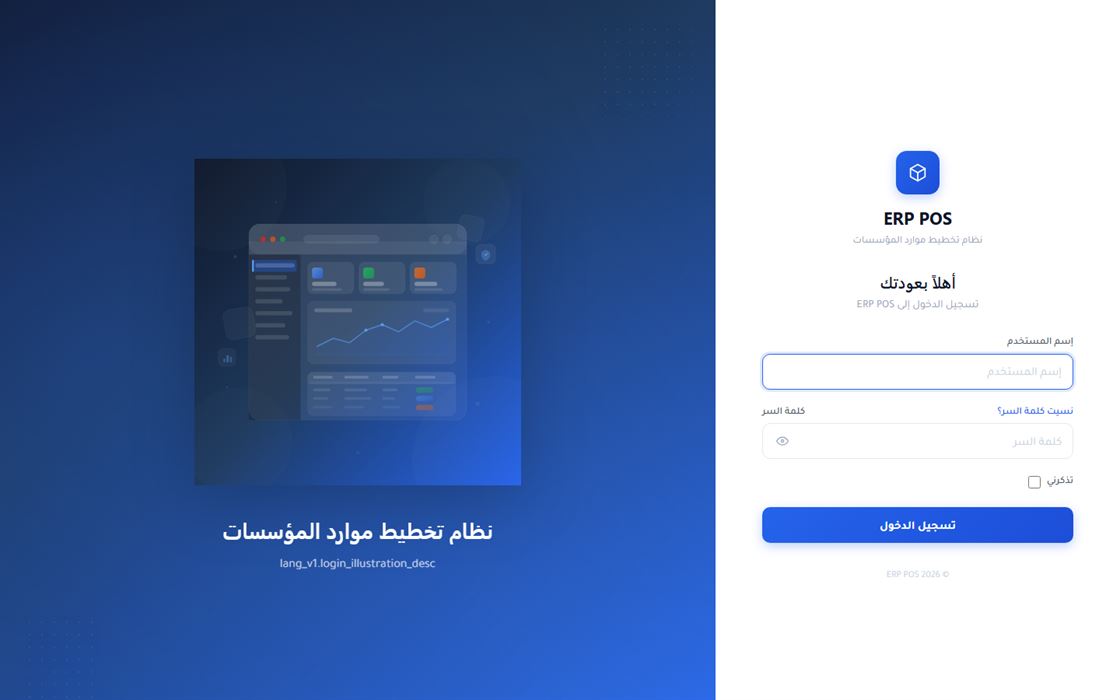
Al‑Montaser ERP & POS
Branches, warehouses, accounting and point‑of‑sale in one system: live stock, cash registers and shifts, purchases and r...
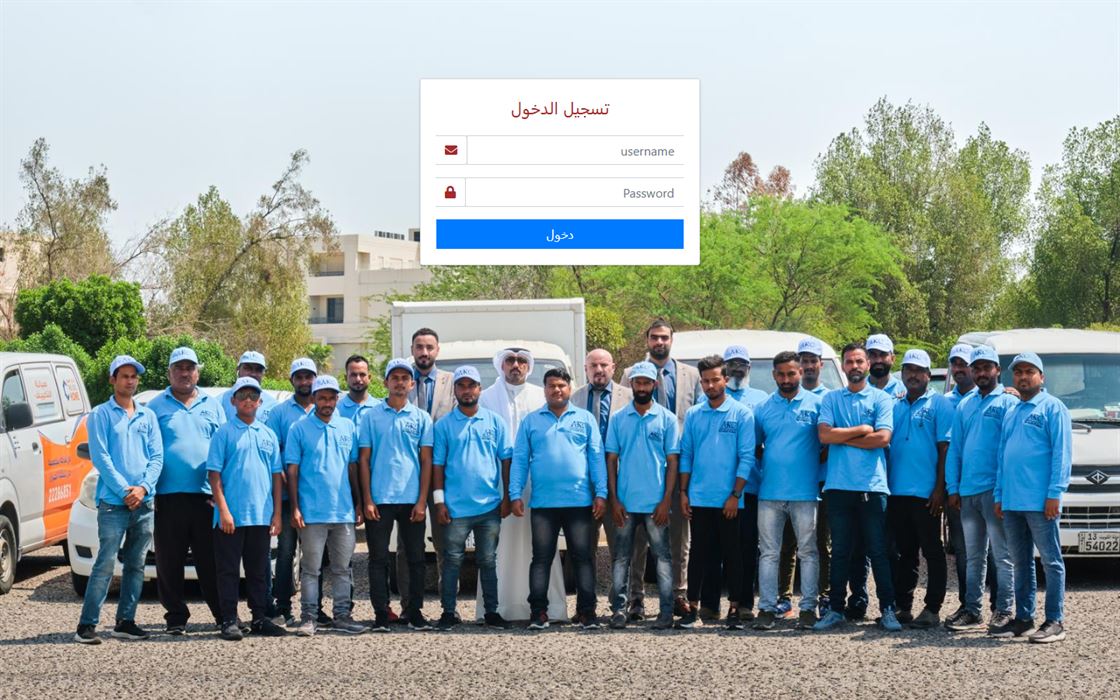
AKC — Contracts, HR & Accounting ERP
Individual, company, association and chalet contracts with offers and payments; journal entries and chart of accounts; v...
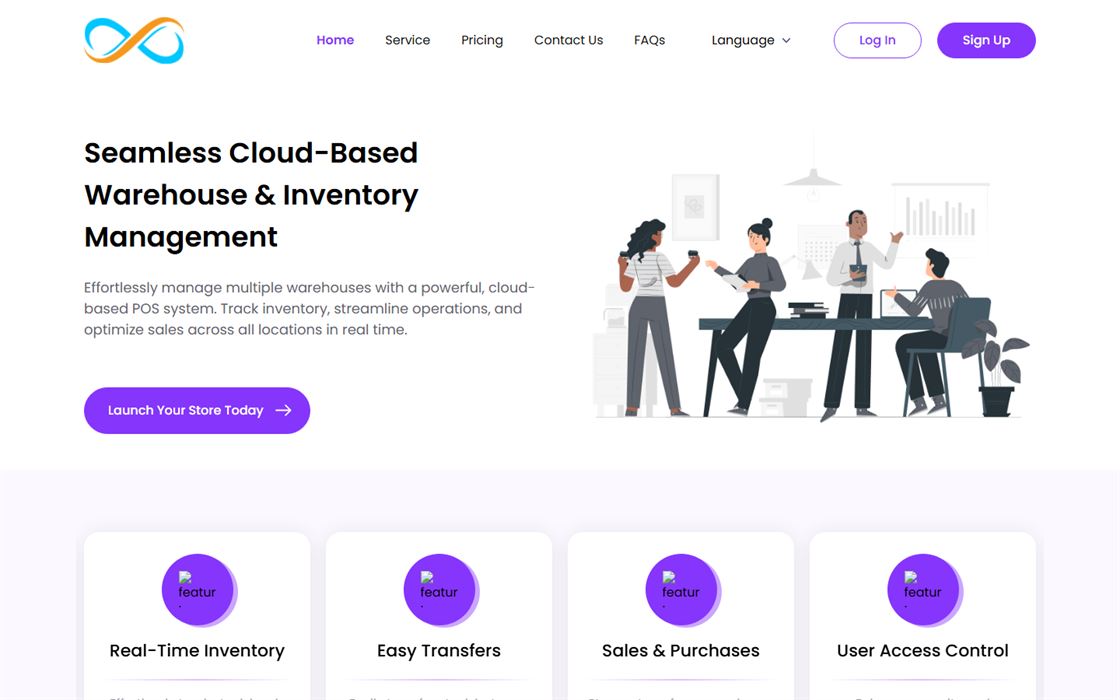
Cashify POS — Multi‑Tenant SaaS
Multi‑tenant POS sold by subscription plans: stock and transfers, quotations, sale and purchase returns, multi‑currency...